


Treatments & Processes
pickling / Deoxidation / Chemical Machining
This process aims to remove oxides, scale, or a layer of material through chemical dissolution. As needed, it prepares the surface for passivation or coating.
Definitions and Principles
These treatments are key to successful chemical cleaning.
pickling allows for precise control over the removal of contaminants and oxides generated during welding or machining operations.
Deoxidation removes surface oxides or ferritic contaminants while preserving fragile substrates, such as polished surfaces and aluminum or titanium alloys.
Chemical machining removes a layer of material in a precise and controlled manner through chemical dissolution.
Metals and Applications
pickling/deoxidation/chemical machining is applicable to all metals processed by Chimimeca, including stainless steels, aluminum, titanium, superalloys, and other noble alloys. The formulations are tailored to the nature of the metal and the desired result.
Application Methods
- Immersion in a bath
- Spray application
- Manual application
- Circulation/recirculation
Benefits of the Chimimeca Product Lines
- Extended bath life — consistent performance for all parts processed by immersion
- Short processing times, significant increase in productivity
- Enhanced protection for operators and equipment
- Hydrofluoric acid-free lines available (enhanced operator safety)
New Generation line available
high performance without hydrofluoric acid—enhanced operator safety—reduced ventilation requirements.
Results
Before / After Treatment
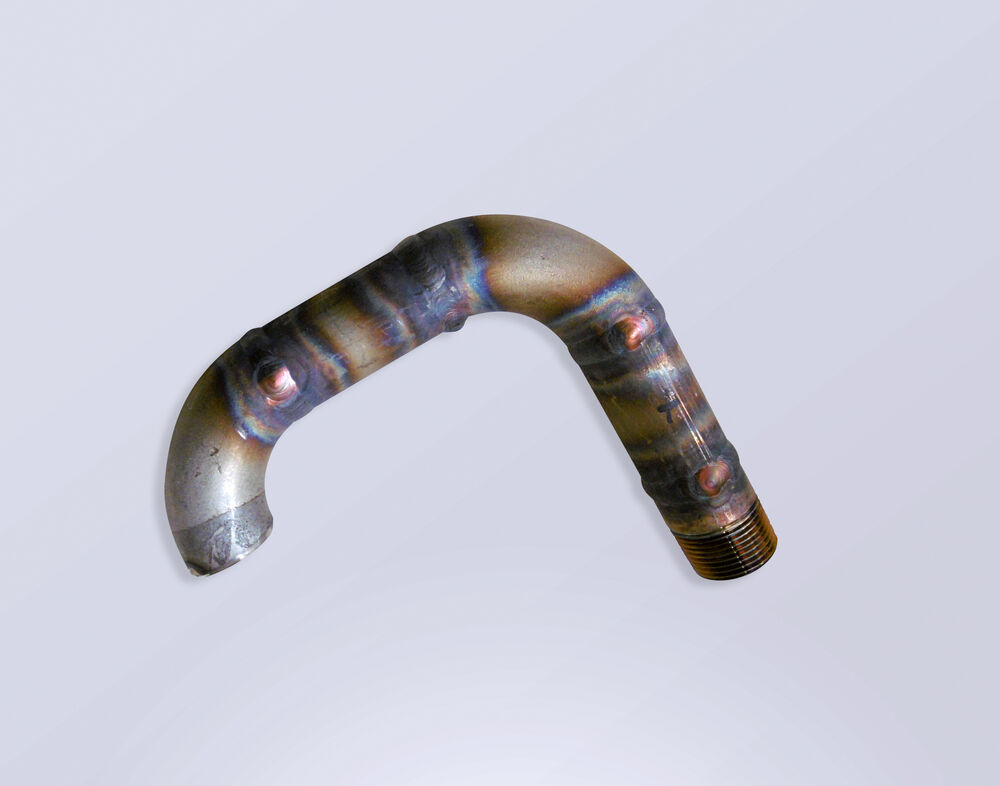
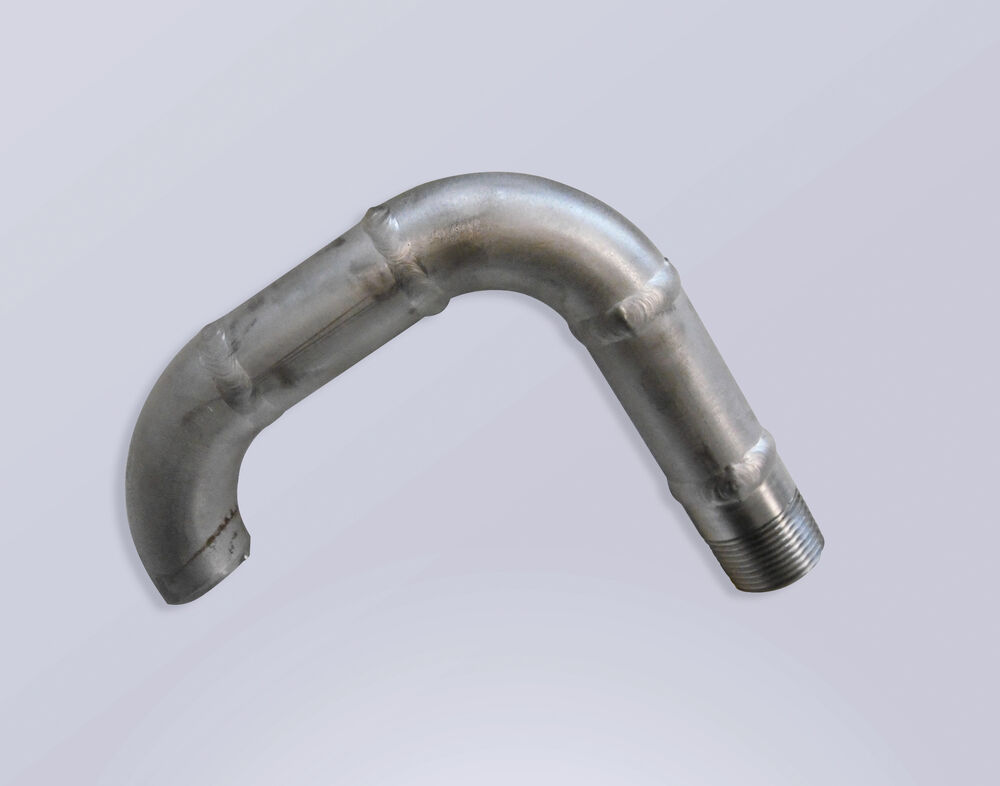
Related Treatments
pickling / Deoxidation / Chemical Machining in the Treatment Sequence
Degreasing
Essential preliminary step — removal of dust, oils, and greases prior to pickling.
Passivation
Next step — Formation of a protective oxide layer on stainless steel, titanium, and aluminum. A critical final step for corrosion resistance.
Need technical advice?
Our sales engineers will help you choose the right formulation based on your metal, the oxides to be removed, and your process constraints.