


Treatments & Processes
Passivation — Décontamination & désoxydation
Passivation is the chemical process that aims to form a natural layer of amorphous oxides that protects the metal from external aggressions.
Definition and Principle
The passivation step is essential following the pickling process to restore the natural protective layer on metals such as stainless steel, titanium, and aluminum.
Passivation is particularly critical in industries that require a high level of corrosion resistance.
Main Applications
- Qualification and requalification of surfaces after welding or machining
- Restoration of corrosion resistance after pickling
- Compliance with nuclear (RCC-M), pharmaceutical (GMP), and aerospace standards
- Passivation of systems and equipment during commissioning
Benefits of the Chimimeca Product Lines
Our nitric acid-free passivators offer significant advances in safety and productivity:
- No nitrous fumes emitted (zero NOx) — enhanced operator safety
- Baths do not require forced ventilation
- No risk of corrosion to surrounding buildings and equipment
- Significantly reduced risks in the event of accidental splashing
New Generation Line — nitric acid-free passivation
Performance equivalent to nitric acid passivators, with a significantly improved safety and environmental profile.
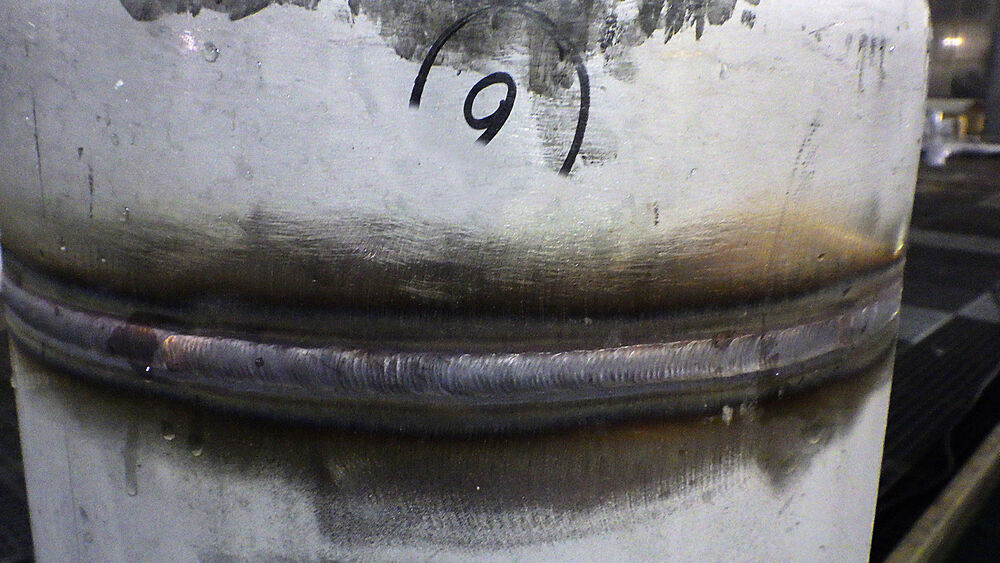
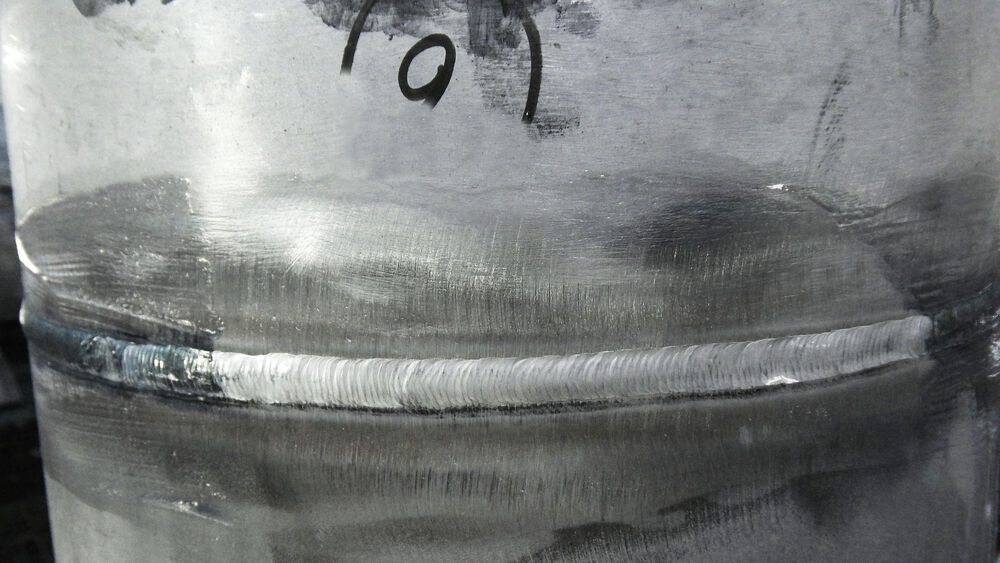
Results
Before / After Treatment
Related Treatments
Passivation in the treatment sequence
pickling / Deoxidation / Chemical Machining
Intermediate step — removal of oxides, scale, or a layer of material through chemical dissolution prior to final passivation.
Derouging
A corrective treatment specific to the pharmaceutical industry — removal of ferric oxides prior to repassivation.
Need technical advice?Our sales engineers will help you choose the passivation method best suited to your materials and industry standards.
Our sales engineers will help you choose the passivation method best suited to your materials and your industry standards.