


Treatments & Processes
De-rusting — Specific to the Pharmaceutical Industry
The production of ultrapure water leads to the generation, through localized electrochemical effects, of labile ferric oxides that diffuse throughout the facilities.
Definition and Principle
The phenomenon of rouging requires the implementation of specific corrective treatments aimed at removing the oxides that have redeposited as a layer on surfaces that are generally polished or electropolished.
This treatment is particularly critical in the pharmaceutical and cosmetics industries, where the presence of ferric oxides on surfaces in contact with products constitutes a regulatory non-compliance.
Equipment Affected
- Pure steam generation boilers
- Hot EPU/EPPI distribution systems, networks, tanks
- Process units, fermenters, freeze-dryers
- Heat exchangers and vessels made of polished or electropolished stainless steel
Our Approach
Our teams perform derouging operations on-site, following a comprehensive preliminary assessment and a pre-site visit to ensure optimal working conditions.
Typical Procedure
- Assessment of the rouging condition — characterization of deposits
- Remedial treatment tailored to the level of contamination
- Passivation to restore the surfaces’ natural protection
- Inspection, traceability, and documentation—comprehensive quality report
On-site service Rouging removal is performed directly on your existing equipment.
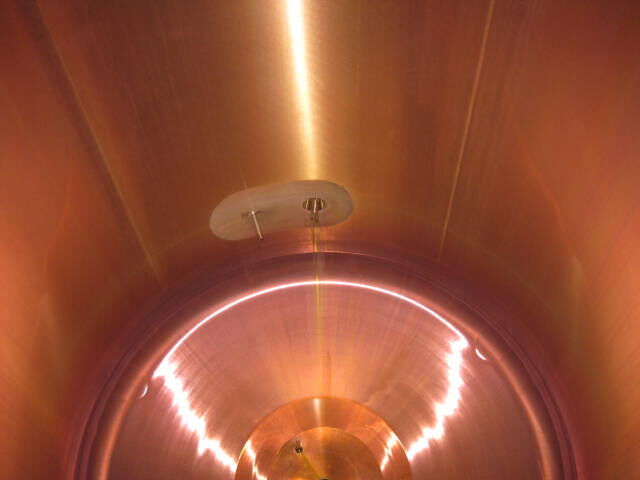
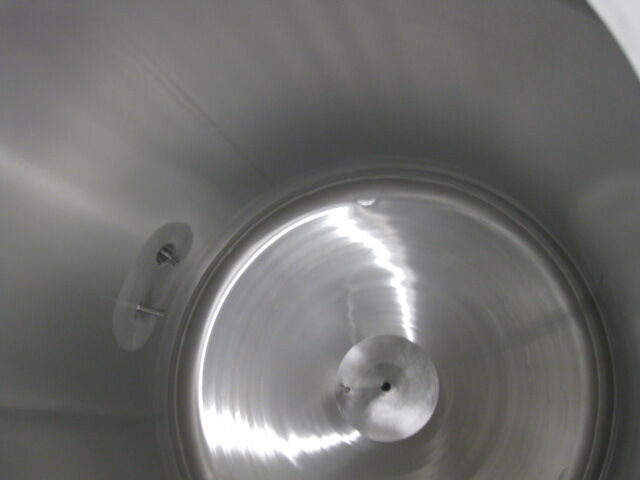
Results
Before / After Treatment
Related Treatments
Additional Treatments
Passivation
Final treatment after derouging — Formation of a protective oxide layer on stainless steel, titanium, and aluminum. A critical final step for corrosion resistance.
Sanitation
Complementary bacteriological treatment for the pharmaceutical and food industries.
Need derouging?
Our teams conduct a preliminary assessment and propose a protocol tailored to your facilities and regulatory standards.